Commercial Ductless HVAC Solutions for Long Island Businesses
Commercial ductless systems have revolutionized the way businesses approach climate control, offering unprecedented flexibility and efficiency for properties throughout Baldwin, Franklin Square, Freeport, Long Beach, Oceanside, and Valley Stream. At Luxaire HVAC Services, Inc., we specialize in designing and implementing these advanced systems that eliminate the need for extensive ductwork while delivering superior comfort and energy performance. These innovative solutions have become increasingly popular among Long Island business owners who require precise temperature control without the limitations and expenses associated with traditional ducted systems.
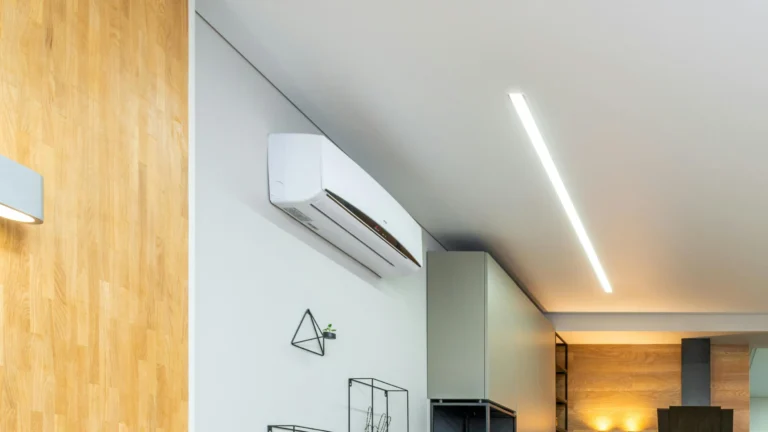
The technology behind ductless systems, also known as variable refrigerant flow (VRF) or mini-split systems, represents a significant advancement in commercial HVAC engineering. These systems utilize individual air handling units connected to outdoor condensing units through refrigerant lines, allowing for zone-specific climate control that traditional systems simply cannot match. Our highly experienced Sales Engineers understand that each commercial space presents unique challenges, whether dealing with historic buildings where ductwork installation would be prohibitive, modern open-plan offices requiring flexible zoning, or retail spaces where aesthetics and customer comfort are paramount.
Applications and Benefits for Commercial Properties
Commercial ductless systems excel in diverse business environments, from restaurants and medical offices to server rooms and educational facilities. In restaurant applications, these systems provide exceptional zone control, allowing dining areas to maintain comfortable temperatures while kitchen spaces remain properly ventilated without affecting customer comfort. Medical and dental offices benefit from the precise temperature control essential for patient comfort and equipment operation, while the absence of ductwork eliminates concerns about air quality and cross-contamination between treatment rooms.
The energy efficiency advantages of commercial ductless systems translate directly into operational cost savings that impact your bottom line. These systems typically achieve efficiency ratings between 20 and 30 SEER (Seasonal Energy Efficiency Ratio), significantly exceeding the performance of conventional commercial HVAC equipment. The inverter-driven compressor technology adjusts output based on real-time demand, eliminating the energy waste associated with constant cycling common in traditional systems. Additionally, the ability to control individual zones means you’re not paying to heat or cool unoccupied spaces, a particularly valuable feature for businesses with varying occupancy patterns throughout the day or week.
Technical Specifications and System Design
Our approach to commercial ductless system design begins with comprehensive load calculations and space analysis to determine optimal equipment sizing and placement. We evaluate factors including building orientation, insulation values, occupancy patterns, equipment heat loads, and specific business operations to create customized solutions through mechanical design assistance. The refrigerant piping design requires careful consideration of line lengths, elevation changes, and branch configurations to ensure optimal system performance and reliability. Modern commercial ductless systems can support refrigerant line runs exceeding 500 feet with elevation differences up to 160 feet, providing remarkable installation flexibility even in complex building configurations.
The outdoor condensing units we specify range from 6 to 60 tons of cooling capacity, with modular designs allowing for system expansion as business needs evolve. Indoor unit options include wall-mounted, ceiling cassette, concealed ducted, and floor-standing configurations, each offering specific advantages depending on application requirements. Advanced control systems integrate seamlessly with building automation platforms, enabling remote monitoring, scheduling, and diagnostics that minimize downtime and optimize performance. Our equipment cost analysis considers not only initial investment but also lifecycle costs, including energy consumption, maintenance requirements, and potential utility rebates available for high-efficiency installations.
Installation Process and Project Management
We provide our clients with a wide range of HVAC contracting services, managing every aspect of commercial ductless system implementation from initial design through commissioning. The installation process begins with detailed site surveys and coordination with other trades to minimize business disruption. Refrigerant piping installation requires specialized brazing techniques and pressure testing to ensure leak-free operation, while electrical connections must accommodate variable frequency drives and sophisticated control circuits. Our installation teams possess extensive experience with both new construction as well as the remodeling of existing facilities, understanding the unique challenges each scenario presents.
Quality control measures throughout the installation process include pressure testing, vacuum procedures, refrigerant charging protocols, and comprehensive system commissioning. We verify proper airflow patterns, temperature differentials, and control sequences to ensure systems perform according to design specifications. The commissioning process includes training facility personnel on system operation, maintenance requirements, and troubleshooting procedures, empowering your team to maximize system benefits while minimizing operational issues.
Maintenance Requirements and Long-term Performance
Commercial ductless systems require specific maintenance protocols to maintain peak efficiency and reliability throughout their operational life. Regular filter cleaning or replacement, typically monthly for commercial applications, ensures proper airflow and indoor air quality. Condensate drainage systems require periodic inspection and cleaning to prevent water damage and biological growth. Outdoor unit coils need seasonal cleaning to maintain heat transfer efficiency, particularly important in Long Island’s coastal environment where salt air can accelerate corrosion.
- Quarterly filter maintenance: Clean or replace filters based on environmental conditions and usage patterns
- Semi-annual coil cleaning: Remove debris and contaminants from both indoor and outdoor coils
- Annual refrigerant checks: Verify charge levels and test for potential leaks
- Control system updates: Install firmware updates and recalibrate sensors as needed
- Electrical component inspection: Test capacitors, contactors, and safety controls
Market Trends and Future Considerations
The commercial ductless market continues expanding as businesses recognize the technology’s advantages for both new construction and retrofit applications. Industry analysts project compound annual growth rates exceeding twelve percent through 2028, driven by increasing energy costs, environmental regulations, and demand for improved indoor air quality. Advanced refrigerants with lower global warming potential are becoming standard, while smart building integration capabilities continue evolving to provide enhanced analytics and predictive maintenance capabilities.
We are leading providers in project design for commercial HVAC equipment on Long Island, staying current with technological advancements and regulatory changes affecting system selection and installation requirements. The integration of Internet of Things sensors and artificial intelligence algorithms promises even greater efficiency improvements, with systems learning occupancy patterns and adjusting operation proactively. We represent the most trusted and innovative engineered products, designed for the specific requirements of each application, ensuring our clients benefit from proven technology backed by comprehensive manufacturer support.
No matter the complexity of the job, we concentrate on your specific requirements to achieve your highest expectations. From HVAC system design, installation, and logistics to essential upkeep and repair, we determine the best approach to optimize results. Our highly experienced Sales Engineers deliver customized solutions through mechanical design assistance, equipment cost analysis, and equipment supply, to maximize energy efficiency while meeting your specific business needs and budget constraints.